2026-10-24 ·
How To Spot Chimney Leaks After Heavy Rain In West New York
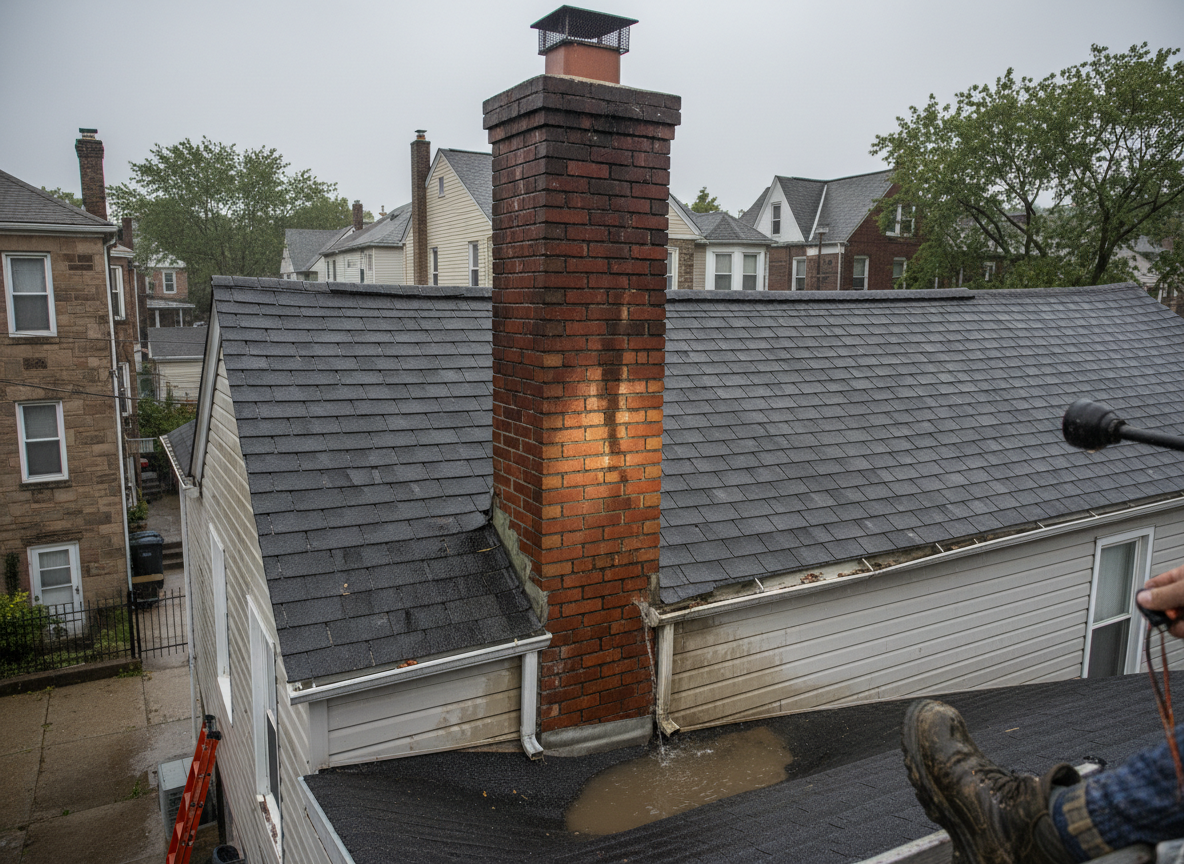
After heavy rain, check the chimney crown for standing water or new cracks first, then examine flashing joints and attic insulation for damp spots within 24-48 hours, as these indicate the most common entry points in Hudson County chimneys exposed to freeze-thaw cycles.
Examining the Chimney Crown After Rainfall
In West New York homes built near North Hudson Park, the chimney crown takes direct hits from summer downpours and winter ice. Walk around the base and look for pooled water on the crown surface or hairline cracks radiating from the flue opening. These fissures allow water to seep into mortar joints below, especially when temperatures swing from hot summer days into cold nights. Run a gloved hand along the crown edges to feel for soft spots where water has already begun eroding the material. If you notice white efflorescence streaks on the brick below the crown, water has been migrating through for multiple storms. Document any changes with photos taken from the same angle after each rain event to track progression over time.
Inspecting Flashing and Roofline Connections
Flashing around the chimney where it meets the roof often fails first in neighborhoods like The Heights due to wind-driven rain off the Hudson River Waterfront. Climb to a safe vantage point or use binoculars to scan for lifted metal edges, missing sealant, or rust lines running down the chimney shaft. Pay special attention to the step flashing on the uphill side, where water pools during prolonged Hudson County storms. In Union City and North Bergen row homes, shared rooflines can channel extra runoff directly against your chimney, accelerating wear at these seams. Look for displaced shingles or gaps where the flashing meets the masonry, as these create direct paths for rainwater into the flue and surrounding structure.
Spotting Interior Water Damage Indicators
Inside the home, start in the attic directly below the chimney and scan for dark streaks on rafters or insulation that feels heavier than surrounding material after rain. Move to upper-floor ceilings and check for yellow-brown stains that appear or darken within a day of heavy precipitation, particularly in older brick homes common throughout Downtown West New York. Damp odors near fireplaces or discolored plaster on walls adjacent to the chimney stack also signal ongoing moisture intrusion from repeated storms. In The Heights properties, where many chimneys serve multiple flues, leaks may appear offset from the exterior chimney location due to internal liner shifts caused by freeze-thaw expansion.
Understanding Local Climate Effects on Leak Detection
West New York's humid subtropical climate brings intense summer thunderstorms followed by cold winters that expand any water trapped in masonry, widening cracks over successive seasons. This cycle makes post-rain inspections most revealing in early spring when accumulated damage from winter freezes becomes visible. Homes near the Hudson River Waterfront experience higher wind exposure that forces rain under flashing more aggressively than in inland areas. Checking after the first major rain of the season often uncovers issues before they worsen into larger masonry failures common in Hudson County brick construction.
Next Steps for Confirmed Leaks
If stains or moisture appear consistently after rain, schedule a chimney inspection service to assess crown, flashing, and liner condition without delay. For active water entry, chimney leak repair addresses the specific points of intrusion, while chimney waterproofing adds protection suited to local freeze-thaw patterns. Review winter chimney maintenance tips for West New York homes to prepare chimneys before the next cold season arrives. Haven Restore operates 24/7 from 55-1 Riverwalk Pl, West New York, NJ 07093, USA, ready to evaluate leaks identified through these checks.